
Driveways That Drain and Stay Firm
Excavation, Gravel Driveways, and Dry Lot Installation in Hampshire and northern Illinois for rutted lanes, poor drainage, and muddy livestock areas
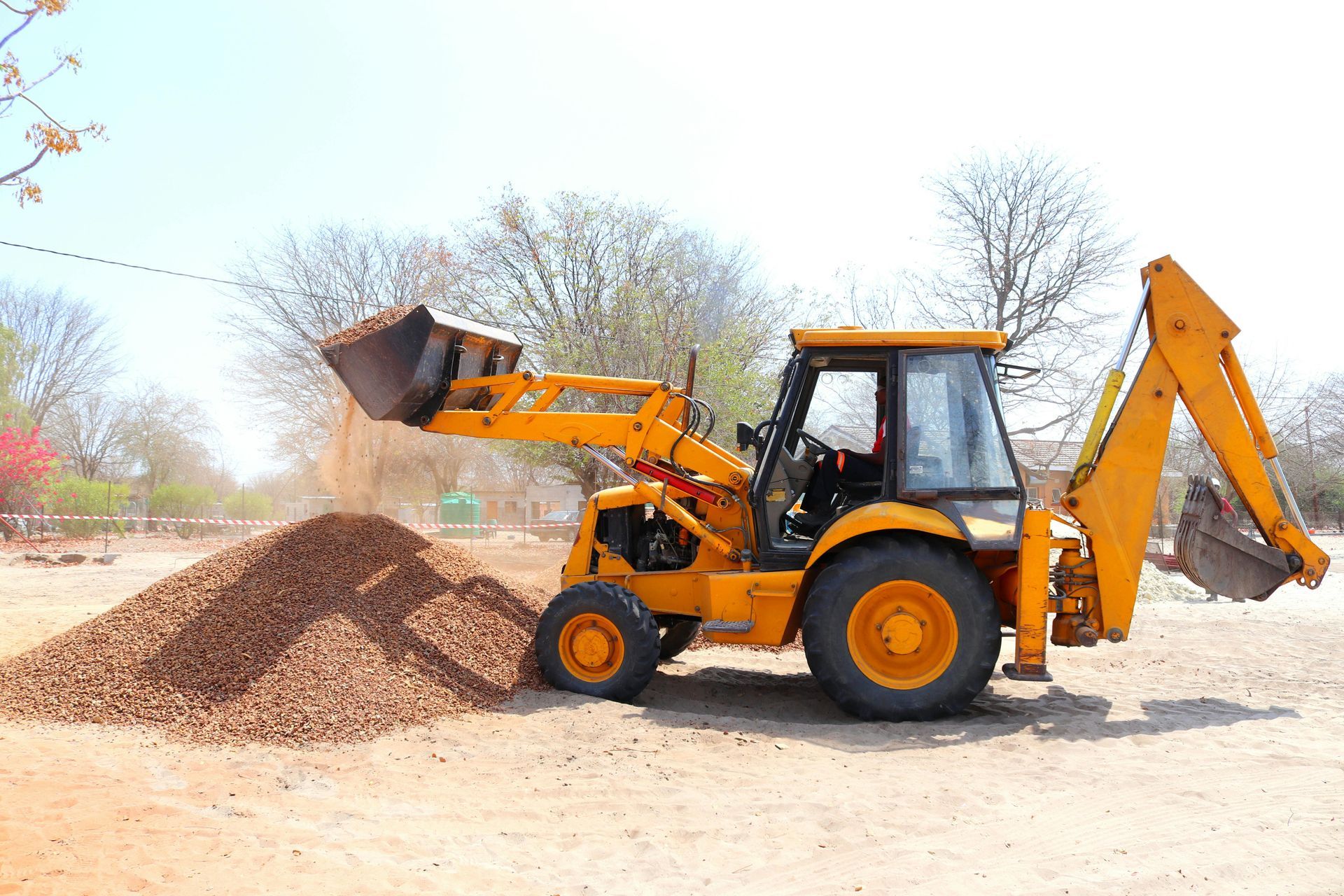
American Elite Solutions provides excavation and gravel driveway installation in Hampshire and across northern Illinois for rural, agricultural, and residential properties where water stands, ruts form, and vehicles struggle during wet conditions. When your driveway turns to soup every spring or equipment traffic leaves deep channels that worsen each season, proper base preparation and grading make the difference between a surface that holds and one that fails. This service includes site preparation, trenching, gravel driveway installation, driveway reconditioning, and dry lot construction for livestock areas.
The process begins with evaluating the existing grade, identifying low spots where water collects, and determining how runoff moves across the site. If the driveway has no base layer or was installed over soft soil, excavation removes unstable material and allows for a compacted stone foundation. The base layer typically consists of crushed limestone or recycled concrete aggregate, followed by a surface layer of graded gravel that sheds water and resists rutting. Crown and slope are built in to direct water off the driving surface and into drainage areas. Dry lot construction for livestock follows similar principles but uses heavier stone and thicker base layers to handle hoof traffic and manure equipment.
If your driveway is failing, your farm lanes need reconditioning, or you are planning a new dry lot, contact American Elite Solutions for a free estimate and site evaluation in Hampshire and nearby rural communities.
Why Proper Base Layers Prevent Rutting and Washouts
You describe where water stands and where vehicles get stuck, and the crew uses a skid steer or excavator to strip away the top layer and expose the subgrade. If the soil is clay-heavy or poorly drained, geotextile fabric is installed to prevent stone from sinking into the mud. The base layer is spread in lifts and compacted with a roller or plate compactor to create a stable platform. Surface gravel is then added and graded to match the desired slope and crown.
After installation, you will notice that water runs off the surface instead of pooling, vehicles no longer sink or slide, and the driveway maintains its shape through freeze-thaw cycles. American Elite Solutions uses methods built for Midwest seasonal conditions, including heavy equipment traffic and prolonged wet periods, and backs all work with full insurance and a workmanship warranty.
Services not included are underground utility work requiring licensed plumbers or electricians, paving with asphalt or concrete, and projects requiring engineered drainage systems with catch basins or French drains. If your site needs those components, recommendations are provided during the planning stage.
We Hear These Questions on Most Jobs
Property owners usually want to know how long excavation will take, what happens if something unexpected comes up, and how we protect existing farm operations. These answers should help you understand what to expect before we start.
How long does a typical excavation project take?
It depends on the scope, but most trenching and site preparation projects take one to three days. Larger jobs like pond digging or extensive grading may take a week or more depending on soil conditions and weather.
What type of gravel works best for driveways that see heavy farm equipment?
Crushed limestone or recycled concrete aggregate with angular edges compacts tightly and resists displacement better than rounded river rock, making it ideal for equipment traffic.
Can you work around livestock areas without causing disruption?
Yes, we plan projects to avoid interfering with feeding schedules, milking times, or animal movement. We use barriers when needed and keep noise and equipment away from sensitive areas during critical hours.
Why do dry lots reduce mud and improve livestock health?
A well-constructed dry lot with proper drainage and compacted stone keeps animals out of standing water and mud, which reduces hoof rot, bacterial infections, and stress from wet conditions during spring thaw and heavy rain periods.
What kind of equipment do you use for excavation?
We use compact and mid-size excavators, skid steers, and grading equipment depending on the job. For tight spaces or areas with underground utilities, we use smaller machines to reduce the risk of damage.
American Elite Solutions has been preparing farm and rural properties across Hampshire and northern Illinois for years, and we understand the importance of getting the groundwork done right without disrupting your daily operations. If you have a project that needs excavation, get in touch and we will provide a free estimate and clear timeline for the work.