Barns Built to Last Through Seasons
Agricultural Buildings, Shelters, and Stall Buildouts in Hampshire and northern Illinois for livestock protection, equipment storage, and interior barn improvements
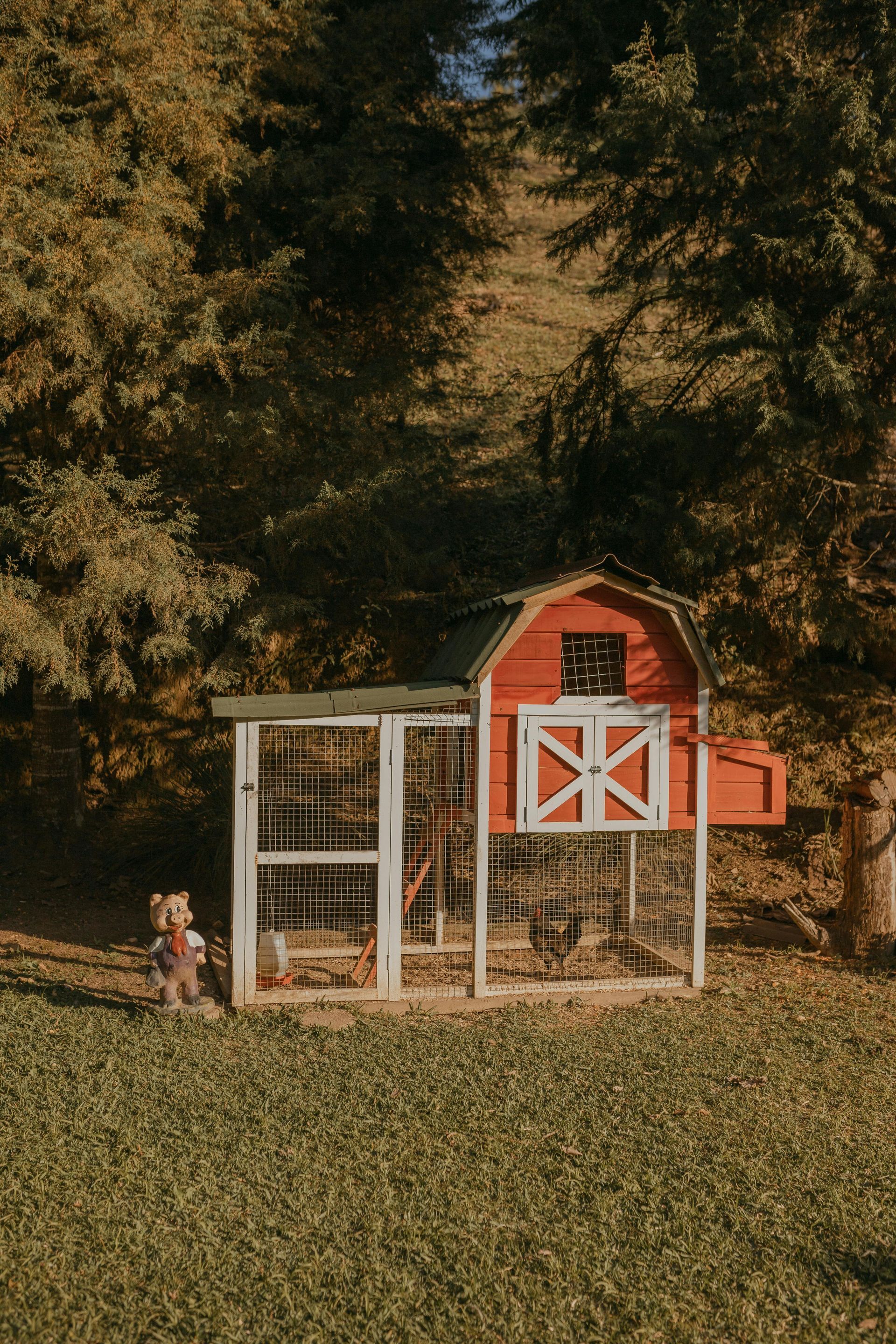
American Elite Solutions builds agricultural buildings and custom stall buildouts in Hampshire and northern Illinois for farms and rural properties that need durable, functional structures for livestock, equipment, or feed storage. When your animals are exposed to wind and freezing rain, hay bales are deteriorating in the weather, or your existing barn lacks proper ventilation, a well-designed post frame building or interior stall layout solves those problems. This service includes construction of post frame barns, livestock shelters, equipment sheds, poultry coops, and custom stall configurations designed for safe, efficient livestock management.
The process starts with a site visit to review your land, access points, and how the building will be used. Post frame construction involves setting treated posts in concrete footings, attaching horizontal girts and roof trusses, and applying metal siding and roofing that resist Midwest weather. The structure is designed for ventilation through ridge vents and sidewall openings, which prevent moisture buildup and support animal health. Interior stall buildouts include pressure-treated lumber framing, gate hardware, feed access points, and drainage considerations to keep stalls dry and easy to clean. If the project involves site preparation or drainage work, excavation is handled by the same crew to keep the timeline efficient.
If you are planning a new barn, adding stalls to an existing building, or replacing an outdated shelter, contact American Elite Solutions for a free estimate and project consultation in Hampshire and surrounding rural areas.
How Post Frame Construction Supports Durability and Cost Control
You provide the building dimensions, intended use, and any specific features such as tack rooms, hay storage, or separate pens for different animal groups. The crew lays out the post locations, digs footings, and sets the treated posts in concrete to resist frost heave and settling. Girts are bolted to the posts, and roof trusses are installed with appropriate pitch for snow load and water runoff. Metal panels are fastened with exposed fasteners and rubber washers to prevent leaks, and trim is installed around doors, corners, and roof edges to keep out wind-driven rain.
Once construction is complete, you will notice that animals stay dry and calm during storms, hay retains quality without mold, and equipment is protected from rust and UV damage. American Elite Solutions backs all agricultural construction with full insurance and a workmanship warranty, and clear communication throughout the project ensures that changes or additions are handled before they delay completion.
This service does not include plumbing or electrical work requiring licensed tradespeople, concrete slab pouring, or engineered foundations for structures over a certain size. If your project requires those elements, coordination with licensed contractors is arranged during the planning phase.
Questions Farmers and Property Owners Ask
Property owners in Hampshire and northern Illinois often want to know how long construction takes, what materials hold up best, and how ventilation is managed without creating drafts that stress livestock.
How long does it take to complete a post frame barn from start to finish?
A standard barn or shelter in Hampshire typically takes two to four weeks depending on size, site conditions, and whether interior stalls or additional features are included in the build.
How is ventilation balanced to prevent drafts while keeping air moving?
Ridge vents allow warm, moist air to escape naturally, while adjustable sidewall openings let in fresh air without creating direct drafts on animals, and overhang design prevents rain from entering during storms.
What makes post frame construction more cost-effective than other methods?
Post frame buildings use fewer materials, require less labor, and need no concrete foundation other than footing holes, which reduces both upfront cost and construction time compared to stick-built or masonry structures.
What type of roofing and siding works best for agricultural buildings?
Painted or galvanized steel panels resist rust, UV degradation, and impact damage from hail, and they require minimal maintenance compared to shingles or wood siding, making them ideal for rural structures exposed to weather year-round.
Why is proper drainage important inside stalls and shelters?
Sloped floors or gravel bases prevent urine and water from pooling, which reduces ammonia buildup, hoof problems, and the labor required to keep stalls clean and dry between bedding changes.
If your farm needs a new building, your livestock lack adequate shelter, or your barn requires interior improvements, reach out to American Elite Solutions for a detailed estimate and project plan in Hampshire and northern Illinois.