
Livestock Water Access That Functions Year-Round
Drinking Post in Northern Illinois for farms requiring frost-proof hydration systems for horses and livestock
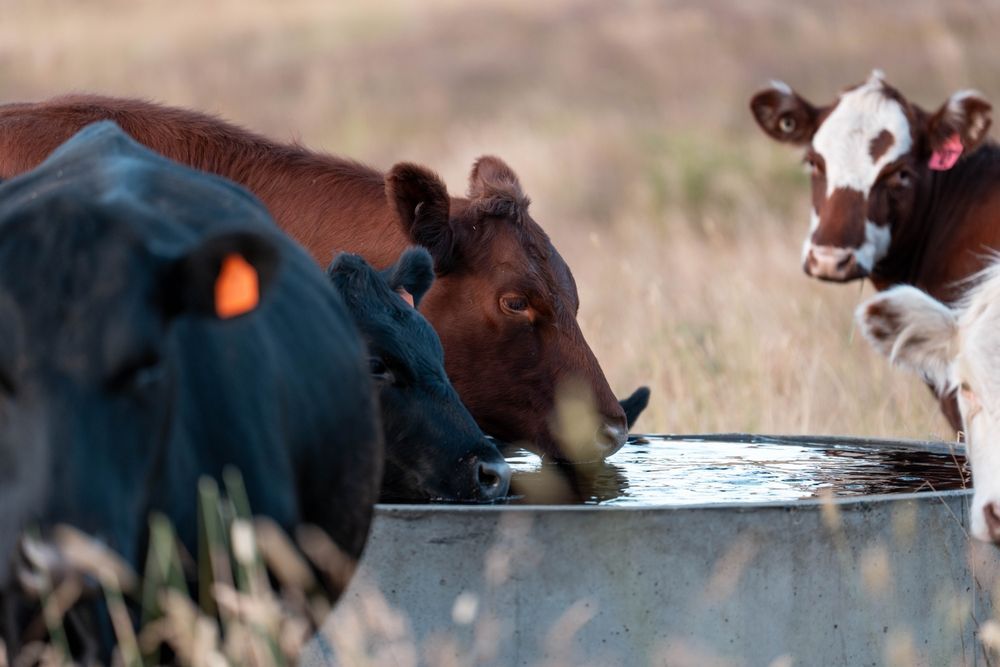
Northern Illinois winters create persistent problems for livestock water access when temperatures drop below freezing and standard hydrants fail. American Elite Solutions installs Drinking Post systems that run water lines below the frost line, connecting to your barn or home water supply without requiring electricity or heating elements. Animals drink from a clean, frost-resistant post at any temperature, and you no longer haul heated buckets or chip ice from troughs.
The installation involves trenching from your main water source to the hydrant location, running supply lines below frost depth, and mounting the Drinking Post unit at the appropriate height for your livestock. The system drains automatically after each use, preventing freeze damage even during extended cold snaps.
Request a site evaluation to determine water line routing and optimal post placement for your livestock.
How the System Maintains Water Access Without Electricity
The Drinking Post design relies on gravity drainage rather than electric heating. When an animal presses the access paddle, water flows up from the below-ground supply line. Once the animal stops drinking, the remaining water in the above-ground section drains back down into the buried line, which sits below the frost line where temperatures stay above freezing.
After installation, you'll observe that livestock adapt quickly to the paddle-activated system, and water remains accessible regardless of overnight temperature drops. Ice no longer forms in the hydrant, and you eliminate the daily chore of breaking frozen surface water or running extension cords to heated tanks. The system can be installed at multiple heights, allowing horses, cattle, goats, and smaller livestock to access the same water source without modifications.
Multiple Drinking Posts can run from the same water line if you manage livestock in separate paddocks or rotational grazing areas. Each unit operates independently, and the supply line can branch to serve several hydration points across your property without additional pumps or power sources.
Common Questions About Livestock Hydration Systems
Farms transitioning from heated tanks or manual watering methods typically want to understand how frost-proof hydrants perform during extreme weather and what the installation requires.
How deep do the water lines need to be installed?
In Northern Illinois, frost lines reach approximately 42 inches during winter. Water supply lines are trenched and installed below that depth to ensure the buried portion remains above freezing, which prevents ice formation in the drainage system.
What water source does the system connect to?
The Drinking Post taps into your existing barn or home water supply. A dedicated line runs underground from that connection point to each hydrant location, so the system uses the same municipal or well water your property already has.
Can the height be adjusted for different animal sizes?
Yes. The posts are available in multiple heights, and installation positions the paddle at the appropriate level for your livestock. Horses require a higher mounting position than goats or sheep, and the system accommodates that range without custom fabrication.
What happens if the paddle mechanism gets damaged?
The paddle is the only above-ground moving part and can be replaced without excavating the water line. Replacement parts are available directly from the Drinking Post manufacturer, and the installation design allows for field repairs without specialized tools.
How many animals can use one hydrant?
A single Drinking Post handles multiple animals in the same paddock or pasture. The flow rate is sufficient for horses and cattle, and because the system drains after each use, there's no standing water that can become contaminated between animals.
American Elite Solutions runs the full water line installation and mounts the hydrant system at the height appropriate for your livestock. Arrange a consultation to discuss paddock layout and water supply access points on your farm.